What exactly is PDRN, why is it suddenly everywhere, and is Anua worth the hype?
I knew the brand before I knew the ingredient.
For a while, Anua seemed to be everywhere.
I kept seeing the name in conversations about Korean skincare—the pale green bottles, the Heartleaf toner, the face masks. It was one of those brands I knew without ever consciously deciding to learn about it.
And apparently, I wasn’t imagining its popularity.
Anua is actually a relatively young Korean skincare brand, launched in 2019 by The Founders. Its Heartleaf 77 Soothing Toner became one of the products that put the brand on the map, and Anua subsequently grew far beyond Korea. The company entered the U.S. in 2022 and has since expanded across Amazon and major beauty retailers internationally.
What interests me about Anua is how quickly that happened.
It doesn’t have decades of beauty heritage behind it. It is part of a newer generation of Korean brands that seem extraordinarily good at taking an ingredient or a specific skin concern, making it understandable, packaging it beautifully, and getting people to talk about it.
But the moment that actually made me pay attention was much less glamorous.
I found a bottle in my husband’s bathroom.
He had been spending much of his time in Korea, and when I noticed that he was already using an Anua booster toner, I remember thinking:
Wait. You use Anua?
My husband is not someone I would describe as being particularly interested in skincare trends. He certainly isn’t sitting around researching the latest Korean beauty launches.
And somehow Anua had reached him before it reached my bathroom.
That made the brand suddenly much more interesting to me.
Because there’s a point when a beauty brand stops being something beauty enthusiasts talk about and starts quietly appearing in ordinary people’s routines.
Anua seemed to have crossed that line.
Then I started hearing about PDRN.
Around the same time, another word kept appearing in Korean beauty conversations: PDRN.
I already associated PDRN with Korean dermatology clinics and treatments such as Rejuran—not with a serum sitting on a bathroom shelf. In fact, I may already have had a PDRN product sitting somewhere in my routine without ever paying much attention to the ingredient itself.
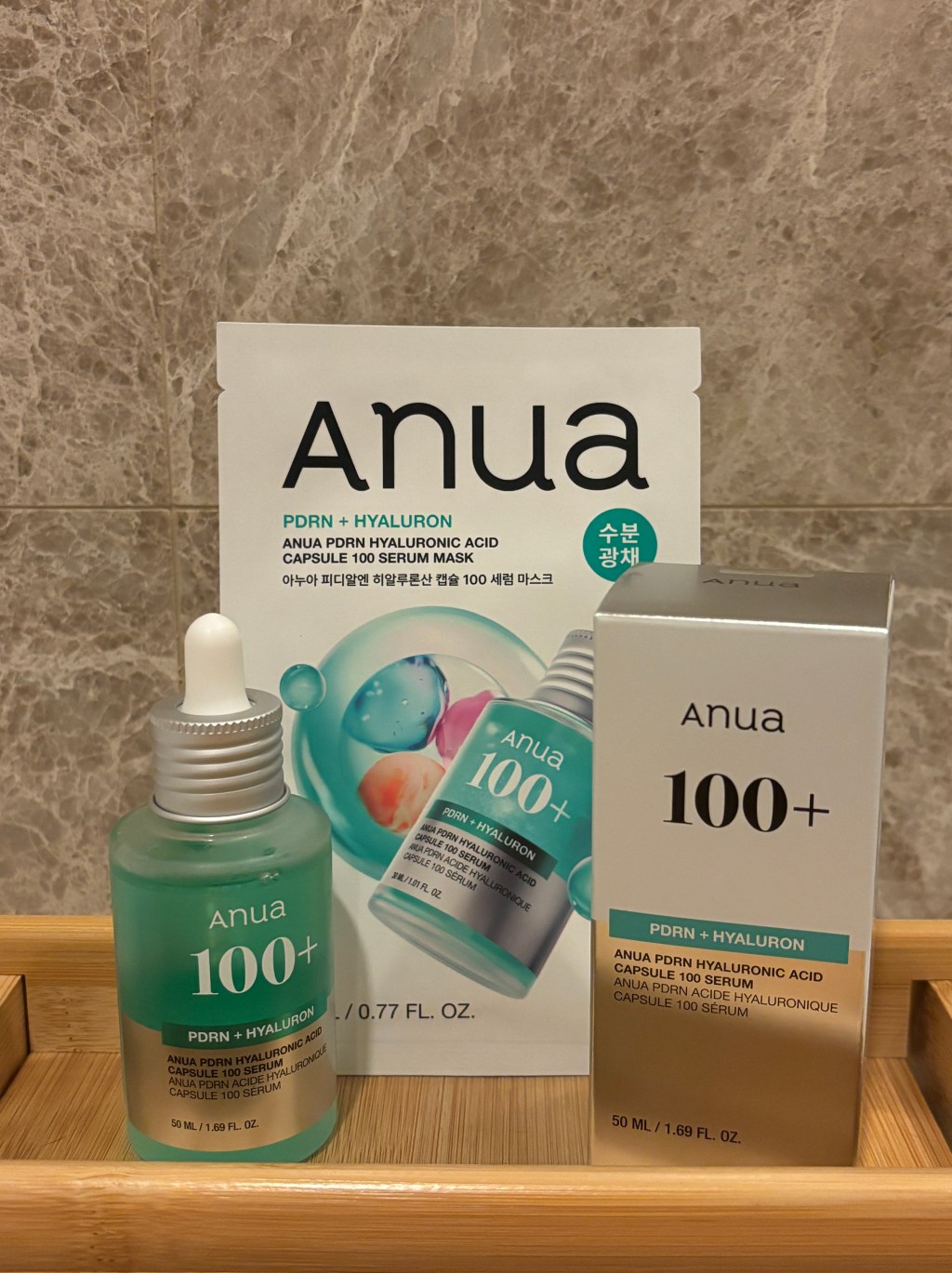
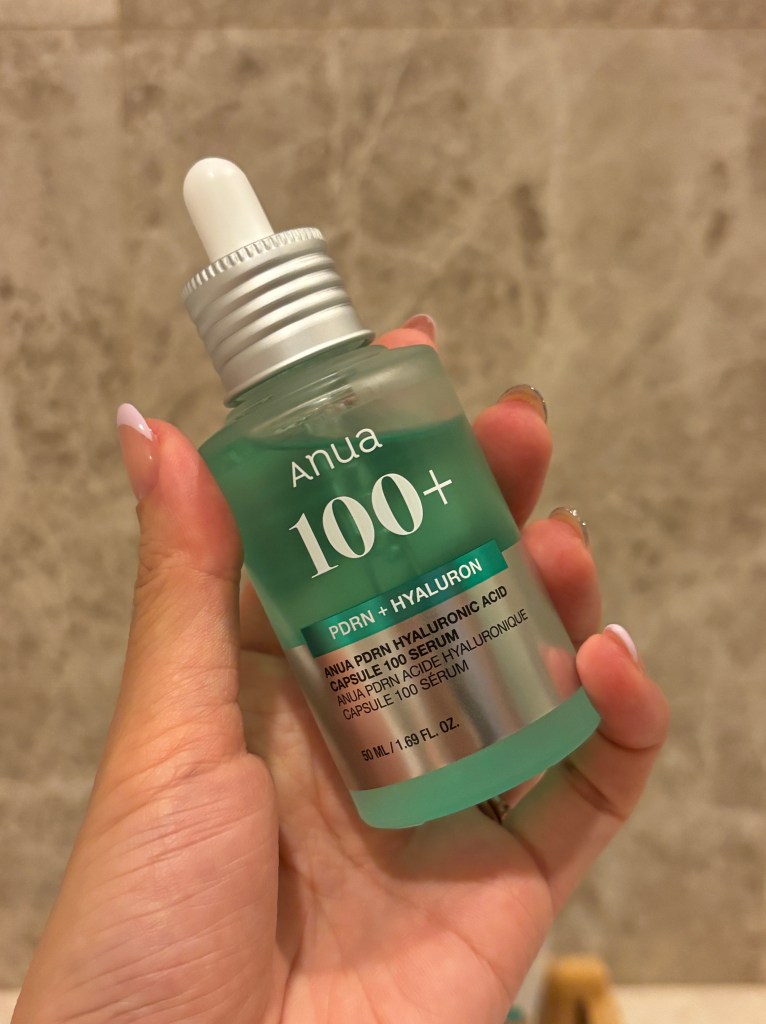
Then I came across Anua’s PDRN Hyaluronic Acid Capsule 100 Serum, which had already become one of the brand’s best-selling products.
A brand I was already curious about.
An ingredient I was suddenly hearing everywhere.
That was enough.
I ordered it.
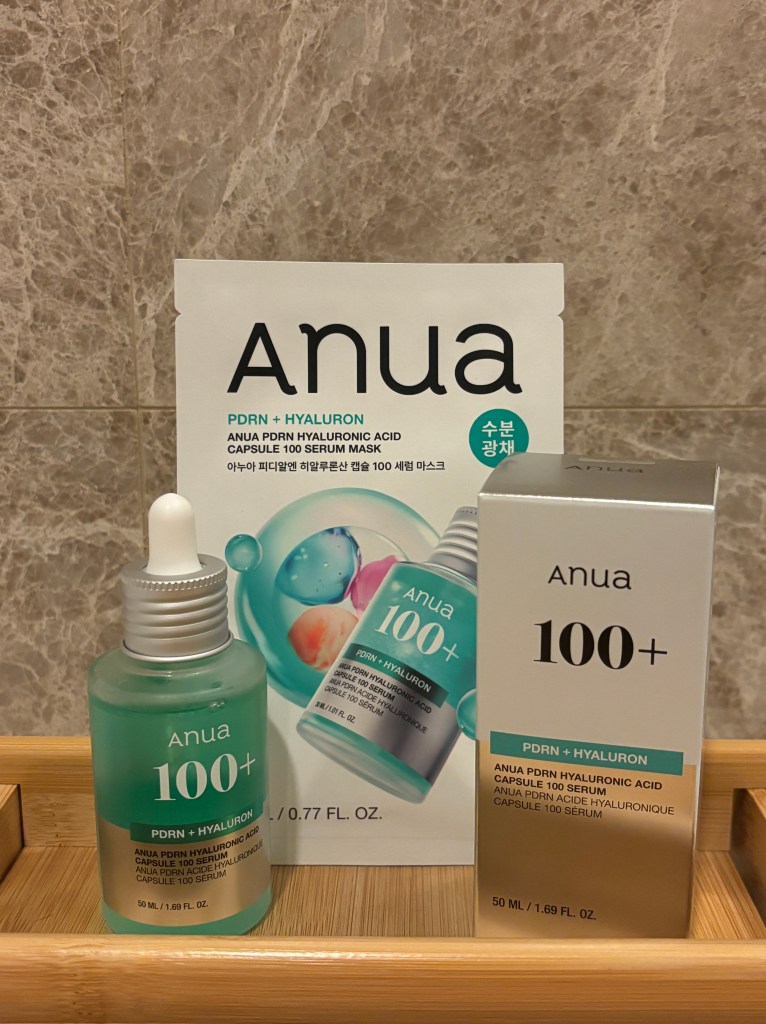
Anua describes the serum as combining salmon-DNA-derived PDRN with hyaluronic acid and collagen, primarily around hydration, moisture-barrier support and a luminous appearance.
And when the bottle arrived, my first impression was… this is it?
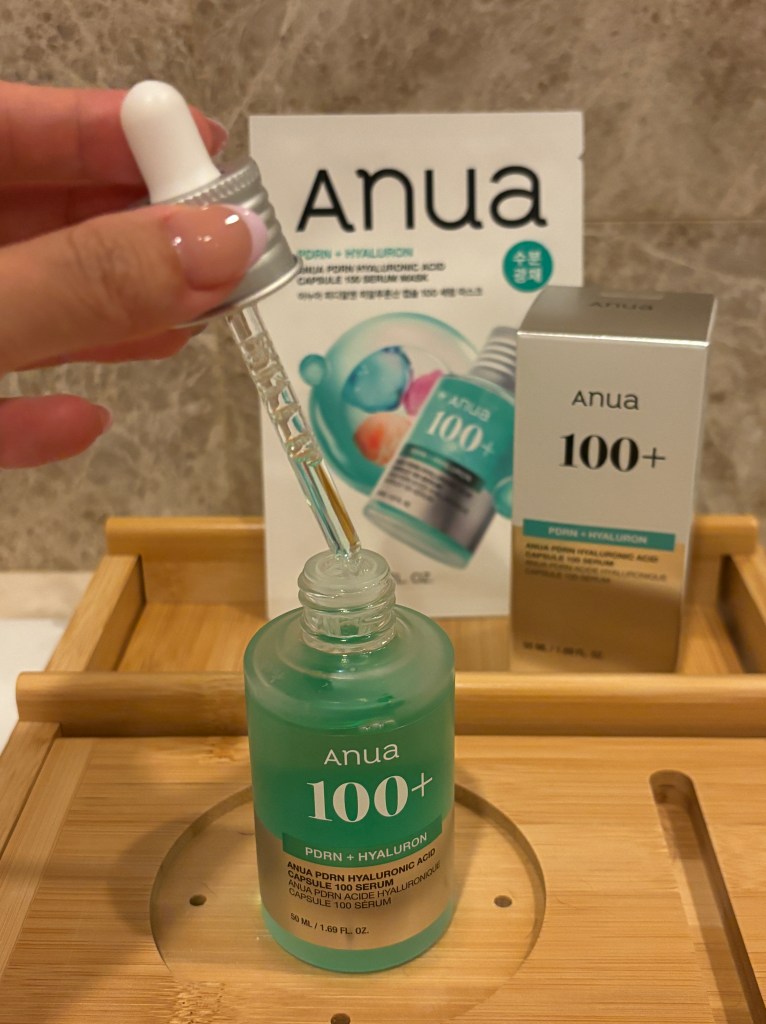
It was light. Watery. Easy to spread.
There was none of the richness I instinctively associate with an intensive anti-aging serum. It disappeared into my skin so quickly that I found myself wondering:
What exactly is PDRN supposed to be doing?
And, perhaps more importantly:
Does putting PDRN on your skin actually make sense—or are we borrowing the reputation of an injectable treatment and putting it into a pretty bottle?
That question sent me down the rabbit hole.
So, what exactly is PDRN?
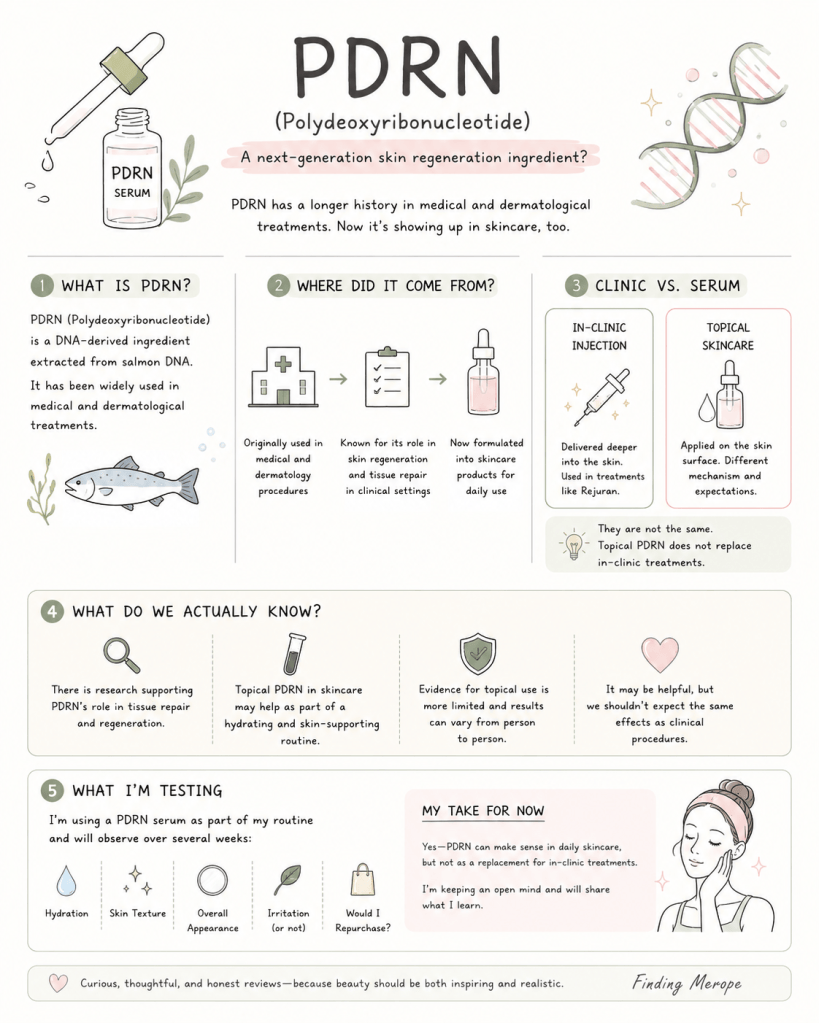
PDRN stands for polydeoxyribonucleotide.
If you have spent any time looking at Korean dermatology treatments, the term may already sound familiar. PDRN and related polynucleotide ingredients have become associated with regenerative or “skin booster” treatments, which helped the idea migrate from the clinic into skincare.
And that transition fascinates me.
Beauty trends often seem to move in a particular direction in Korea:
clinic → ingredient buzz → cosmetic product → global trend.
Something that once sounded distinctly medical suddenly appears in a serum you can apply at your bathroom mirror.
Of course, a topical cosmetic serum shouldn’t be assumed to produce the same effects as an injectable treatment. That’s an important distinction.
So my question isn’t whether a bottle of serum can reproduce a dermatology procedure.
It’s much simpler:
Does PDRN actually make sense as a daily skincare ingredient?
Does it?
Possibly—but with a caveat.
PDRN has a far more established story in medical and clinical settings than it does sitting inside a cosmetic serum. There is research around its role in tissue repair and skin regeneration, but that doesn’t mean applying PDRN to the surface of the skin will reproduce what happens when similar ingredients are delivered through an injection.
That said, I don’t think that makes topical PDRN meaningless. In a well-formulated serum, it may have a place as part of a hydrating and skin-supporting routine. I just wouldn’t buy it expecting the dramatic “regenerative” effects often associated with in-clinic treatments.
So for me, the answer is yes—but as skincare, not as a Rejuran treatment in a bottle.
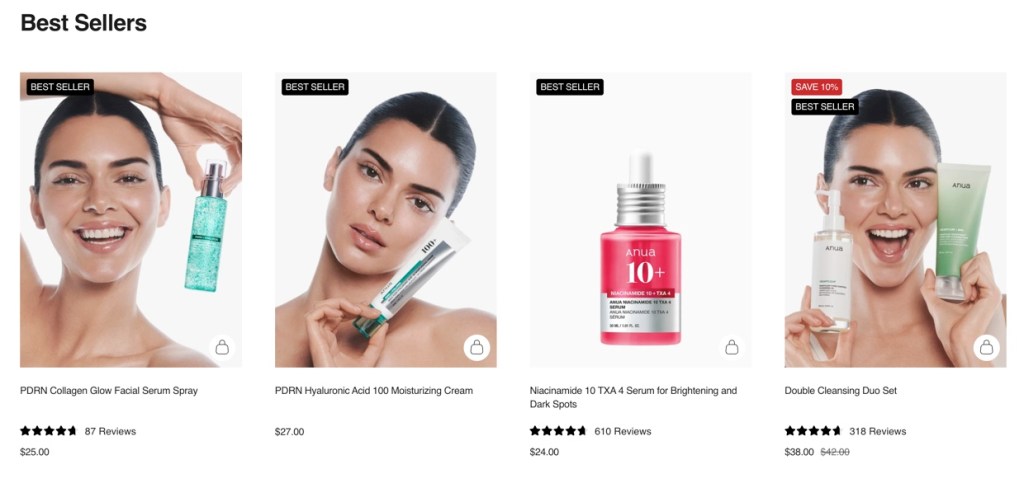
Why Anua?
This was the other part of the story that interested me.
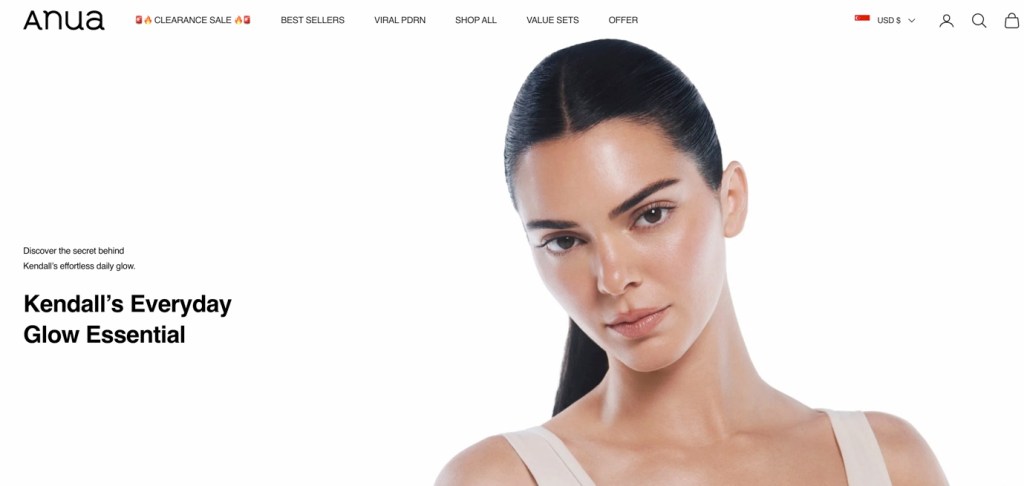
Anua didn’t enter the global beauty conversation as one of Korea’s old cosmetics giants. It became particularly recognizable through products such as its Heartleaf toner and benefited enormously from the global appetite for Korean skincare.
What makes Anua’s rise even more interesting is the story behind it. The brand was launched in 2019 by two Korean entrepreneurs, Seonhyeong Yi and Changju Lee—both born in 1988 and graduates of Seoul National University, where they studied economics and anthropology respectively. Neither came from the traditional beauty industry; after working together at a biotech company, they first experimented with a pet-products business before turning to skincare. That outsider, consumer-first mindset still feels visible in Anua today: a young brand built less on decades of beauty heritage and more on understanding what people actually want, testing it, and responding quickly to feedback.
And increasingly, this is what I find interesting about beauty.
The winning product isn’t necessarily created by the company with the longest history or the most complicated formula.
Sometimes the real advantage is understanding:
What does the consumer want right now?
How should the product feel?
How should it be explained?
And how do you get people to talk about it?
That makes Anua interesting to me not only as skincare, but as a business story.
My first week
For now, I’m treating this as an experiment rather than a verdict.
The serum is very light and absorbs quickly, but interestingly, it still feels as though it leaves a very thin veil over my skin—nothing heavy or sticky, just a subtle layer that makes my skin feel comfortably coated.
Because of the texture and how quickly it sinks in, I’ve been using it almost like a booster, applying it immediately after cleansing. In the morning, I follow with moisturizer and sunscreen. At night, I layer moisturizer, retinol, and night cream on top.
Even with all of those layers, I haven’t noticed my routine feeling significantly heavier since adding the serum. It slips in quite easily, which, for me, is probably one of its biggest advantages so far.
But I’ve only been using it for a week, and I’m far too skeptical to declare that I’ve discovered a whole new world of skincare just yet.
I’m the kind of person who needs to experience something for myself, and for long enough, before I believe the hype. It feels lovely on my skin so far—but lovely and transformative are two very different things.
So I’m going to keep using it and see.
So I’m going to keep using it.
I’ll come back to this after several weeks and look specifically at:
hydration, texture, overall skin appearance, irritation, and whether I actually want to repurchase it.
Because perhaps the more interesting question isn’t:
Is this serum good?
It’s:
Which of the things we’re being sold in the name of staying young actually deserve a permanent place in our lives?
That is a question I suspect I’ll be asking a lot here.
— Finding Merope


Leave a comment